
Selling jewellery on Instagram: present your designs and prepare for your first orders
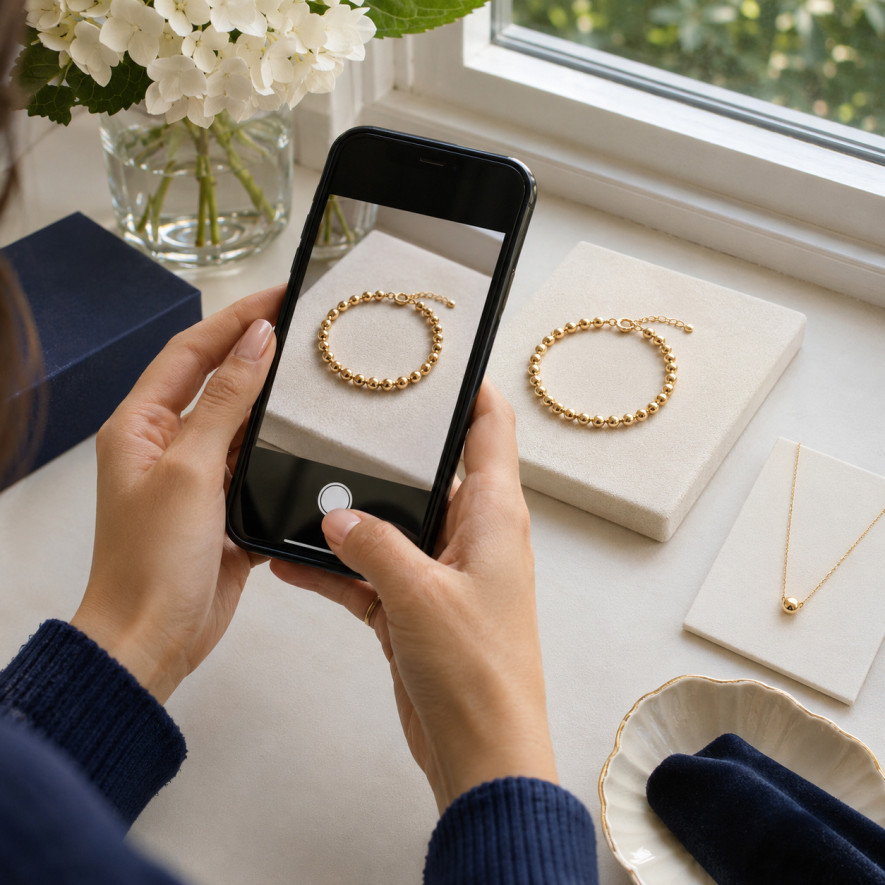
Prepare a clear selection, helpful content and an understandable ordering journey when presenting jewellery on Instagram.
Selling jewellery on Instagram takes more than an attractive photograph. Someone discovering a necklace needs to understand what they are seeing, imagine its proportions and know how to order it. Your task is to make that journey straightforward, from the post to clear information and an organised purchase. Follower numbers provide one piece of information; they do not replace a readable offer, accurate product details or a service that can answer the questions a potential customer actually has.
This guide offers a method for a small jewellery retail activity: define a selection, prepare helpful content, respond to questions and observe results. Saze Diffusion catalogue examples illustrate ways to present designs. They do not prove that a post will generate a particular number of sales. Adapt the steps to your organisation, the features genuinely available on your account and the rules applying to your business. A practical plan should fit the service you can provide as well as the content you can produce.
Prepare an offer people can quickly understand
Choose an audience and a concrete proposition
Describe the people you want to reach and why your selection might interest them. You could present fine pieces that combine easily, colourful motifs or gift ideas. That direction helps choose models and photographs. It should not become an impossible claim, such as universal freedom from skin reactions or a finish that remains unchanged in every situation. Build the proposition around documented features and a clear style, so the promise you make in a post matches what the customer can actually buy.
Build a selection you can explain
Begin with references whose specifications and replenishment possibilities you understand. Keep a working record for each design: reference, stated material, dimensions, variants, care and ordering information. Browse the stainless steel jewellery catalogue to compare categories, then select a coherent range for your audience. A manageable selection makes replies and content easier than a long list of products whose details remain unclear. It also helps you identify the exact model when a customer asks about something seen in an older post.
Check the supplier and your retail organisation
Before communicating, check purchase conditions, realistic lead times and which materials you may use to present the products. Our guide to choosing jewellery suppliers helps structure that research. Buying an item does not automatically grant every right to another website's photographs and text. Obtain the permissions you need or produce your own content while preserving accurate information about the reference photographed. Keep a clear record of what was approved, rather than assuming that images found online are available for commercial reuse.
Give visitors a clear way to order
Make the profile explain the activity
Your displayed name, description and visible content should identify your style and how to order. A short statement can specify the jewellery category, destinations served and useful link where these details are accurate. Avoid descriptions filled with unrelated terms. Ask someone unfamiliar with the activity to read the profile: can they explain what you offer and find a reference? Their questions can reveal missing information before you spend time trying to bring a larger audience to the account.
Separate the Instagram showcase from checkout
You can show designs on Instagram and direct visitors to your own shop for details and ordering. Native commercial features vary with accounts and applicable conditions; do not build your entire organisation around an option you have not verified. Test the available journey on your phone: link destination, readable page, variant selection and delivery information. One understandable next step is preferable to several competing routes that leave a visitor unsure where the actual product details or order confirmation can be found.
Prepare information before asking someone to purchase
For a professional activity, social posts do not replace the information required for a sale. The French DGCCRF outlines e-commerce rules between businesses and consumers. Check the obligations applying to your situation and destinations; French guidance should not be treated as the complete rulebook for every country. Make price, characteristics, conditions and useful contact details accessible in your journey. Someone should understand the offer before being asked to pay rather than discovering its contents afterwards.
Test the journey before increasing publication volume
Choose one design and follow the journey as a new visitor, without placing an unnecessary real order. Does the post lead to the correct model? Does the photograph match the offered variant? Can you find the measurements? Record questions the destination page does not yet answer. Fixing them helps make better use of existing visits before you seek more people for an incomplete offer. Repeat this check when changing a link destination or replacing a model in the selection.
Photograph jewellery to help people choose
Prepare three complementary views
An overall view shows the design, a detail explains texture or fastening, and a contextual image helps indicate proportions. Adapt this set to each category without assuming you need an expensive scene. Keep lighting consistent and choose a background that preserves the outlines. A flattering image is less useful if it hides earring diameter, excessively warms a finish or makes a light decoration disappear. Each view should answer something different, so a visitor gains information rather than seeing three nearly identical compositions.
Show size using verifiable information
A photograph of jewellery being worn complements measurements but does not replace them: the same necklace sits differently on different people. Include stated dimensions and distinguish chain length, extension and motif. If an earring's weight is unknown, do not estimate it from appearance. Presenting a reference with accurate measurements reduces ambiguity and gives you a consistent basis for comments. It also prevents a close-up view from unintentionally making a compact piece look much larger than its actual listed dimensions.
Preserve the colour and identity of the piece
Strong filters can change jewellery appearance. Make the piece readable without inventing a shade or removing a construction detail. When showing several designs together, explain what is sold separately. A visitor should not think that a necklace price includes the earrings beside it. Keep references in your notes to avoid confusion at publication time. If you edit the image, compare it with the actual piece before posting rather than judging the result only by how attractive the finished composition looks.
Six models for useful content ideas
A pearlescent drop: explain rather than overpromise
The pearlescent drop necklace 50980723 can illustrate a post about details to check before purchasing. Show the chain, white drop and extension, then give the listed 39 cm plus 5 cm. Use “pearlescent-looking” without inventing natural mother-of-pearl. A possible caption describes its appearance on a plain top and invites the reader to check the length, rather than promising the same fit for everyone. The post becomes useful because its details help a person compare it with something they already wear.
A twisted ring: film the texture without forcing adjustment
The double twisted-wire ring 11324925-2 offers a simple close-up subject: its two lines and their texture. Show several angles, first placed on a surface and then worn with the person's permission. The listing states adjustable sizing without a universal range. Avoid repeatedly bending the ring open and closed for an impressive visual effect. Explain its shape and available information instead. A clear demonstration should preserve the item and not suggest a way of handling it that the product specifications do not support.
A bead bracelet: answer a length question
The fine gold-tone bead bracelet 11138909 lets you show the difference between a base chain and its extension. The listing specifies 16 cm plus 5 cm. Present the clasp and adjustment points, then invite viewers to compare with a bracelet they already wear comfortably. This answers a practical question. A visitor may save the information even without purchasing immediately, but that action does not guarantee a later order. Keep the distinction between a helpful response and a measurable sale when reviewing the post.
Three rhinestones: make an arrangement understandable
With the fine three-rhinestone bracelet 10201217, compare a presentation on its own with a combination using another piece. State that items are sold separately where that is your offer. The listed length is 17 cm with a 5 cm extension. Describe the rhinestones as sparkling decorations rather than using diamond terminology to imply another material. A visitor should understand both the proposed styling and the contents of the purchase, even if several references appear together in the same photograph or short video.
Ball-detail hoops: make the volume visible
The small gold-tone ball hoop earrings 10969603-12 measure 1.8 cm and are sold as a pair. A front view and side view help explain the volume of the spheres. Pair those images with the written measurement rather than a universal comfort promise. If demonstrating the mechanism, use your own sample carefully and make sure the fastening remains visible. Avoid hiding the important movement behind a fast transition that attracts attention while leaving the viewer unable to understand how the actual piece opens.
A layered necklace: explain what the reference contains
The heart and star necklace 52305252 is an assembled design: its 40 and 45 cm layers close together and include a 5 cm extension. A post can explain this construction and show the small decorative drop. Visitors then understand that they are viewing one model with several lines. Such information adds substance to a short video without requiring repeated effects or music to distract from missing details. It also reduces the chance of someone expecting two independent necklaces from a single reference.
Organise four weeks without improvising every day
Alternate discovery, comparison and answers
Prepare different types of content from one reference: general presentation, useful detail, combination and an answer to a question. Revisiting a product from different angles does not mean posting the same message four times. The following table is an organisational example, not an algorithm's recommended frequency. Adapt the rhythm to your capacity to create, respond and fulfil orders. Consistency needs to remain compatible with the service you can provide, especially when handling stock updates and customer questions at the same time.
| Week | Content topic | Information provided | Suggested invitation | Observation to record |
|---|---|---|---|---|
| 1 | Introduce a small selection | Style and categories | Explore the listings | Visits and questions received |
| 2 | Show measurements and clasps | Proportions and adjustment | Compare dimensions | Questions that remain frequent |
| 3 | Build two combinations | Items sold separately | Choose a preference | Replies and saves |
| 4 | Address hesitations | Materials, care and ordering | Read the exact listing | Relevant enquiries and orders |
Keep captions directly connected to the piece
A caption can follow four elements: what is shown, a useful detail, the reference and the next step. For example, explain that a necklace has two joined layers, give the stated lengths and indicate where to find its listing. Use words that match the content. Add relevant terms without turning the text into a repetitive keyword list or claiming that a particular hashtag count will trigger sales. Clarity helps the viewer make a decision even when they know little about your collection.
Use platform resources thoughtfully
Meta describes a Best Practices area in the professional dashboard supporting content creation and monitoring. Consult resources available on your account rather than recipes presented as permanent truths. Tools change; choose those that help explain products. Test a new format on a small series, then keep or drop it according to observations relevant to the activity. An unfamiliar feature is worth considering when it solves a real presentation problem, rather than only because it is new or widely discussed.
Turn conversations into useful service
Reply with information and an exact destination
If someone asks about a bracelet's length, provide the verified measurement, explain the extension and direct them to the correct reference. Avoid answering only “send a private message” when the information could help other people publicly. Keep personal details in private exchanges. Prepare basic replies but check each one against the model and situation; copied text can otherwise lead to the wrong variant. A clear answer should reduce uncertainty instead of creating another conversation just to identify which product was intended.
Do not publish customers without permission
A worn photograph or customer response can enrich your presentation when used with the appropriate permissions. The French CNIL explains that image rights also apply online. Do not automatically turn an incoming message into public content. Make a clear request specifying what you want to publish and avoid exposing a name, address or order number in screenshots. Treat a person's agreement to discuss a product separately from permission to use their image or words commercially.
Connect observations with actual sales
Track accessible indicators: profile visits, clicks, specific questions and identifiable orders according to your tools. Compare meaningful periods and note changes in products or publication. A widely viewed video may bring few shop visits; a quieter presentation may answer a purchase hesitation. For the wider organisation, read our guide to starting a jewellery activity before committing to new expenses. The aim is to understand a sequence of useful actions rather than treating every view, save or reaction as evidence of a completed sale.
Frequently asked questions about selling jewellery on Instagram
How many followers do I need to begin?
No follower threshold guarantees orders. Start with an understandable offer, accurate information and an accessible journey. Observe whether people discovering the selection ask useful questions and can find the listings. Follower numbers alone do not establish genuine interest in your jewellery or purchasing intent, particularly when a growing audience is not closely connected with the products or destinations your activity actually serves.
Do I need to publish every day?
Choose a pace you can maintain without neglecting replies and orders. A frequency imposed without considering your activity has no universal value. Prepare complementary content, record results and adjust. The goal is to provide helpful information regularly, rather than filling the account with repetitive posts or creating a publishing schedule that leaves too little time to maintain accurate stock and serve customers properly.
Can I sell without an integrated Instagram shop?
You can organise a showcase directing people to your own sales journey, subject to applicable rules and available functions. Check links from a phone and state their destination clearly. Do not present a native feature as essential or available to every account. Information needed for the order must remain accessible, so a visitor can understand the product and conditions even when the purchase takes place outside Instagram.
Which photographs should I prepare first?
Begin with an overall view, a useful detail and a proportion reference. Add exact measurements and identify the model. A photograph showing the jewellery worn can complement the set when you have permission to publish it. Prefer faithful presentation to filters changing the colour or staging that hides construction. Each image should answer something useful rather than repeat the same view with only a different decorative background.
How do I know whether posts contribute to sales?
Compare available Instagram information with shop data and customer enquiries. Consider several stages: discovery, click, consultation and order. Avoid assigning every sale to one post without tracking evidence. A simple record of dates, models shown, questions and identifiable orders already helps compare observations, without pretending to provide perfect attribution or assuming that every person follows exactly the same path from a first impression to a purchase.
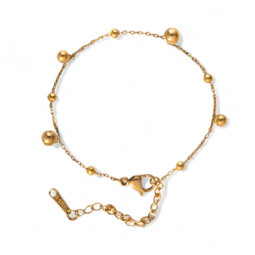
Gold Fine Chain Bead Bracelet 11138909
Fine gold-tone stainless steel chain bracelet dotted with polished beads of two sizes. Light and feminine.
Price €3.54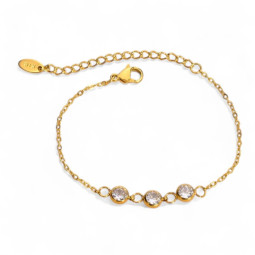
Gold Fine Three Rhinestone Bracelet 10201217
Fine gold-tone stainless steel chain bracelet with three bezel-set round rhinestones. Delicate and bright.
Price €5.04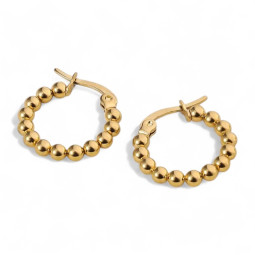
Gold Small Ball Hoop Earrings 10969603-12
Small gold-tone stainless steel hoops made of large, tightly packed beads. A mini size full of relief.
Price €3.00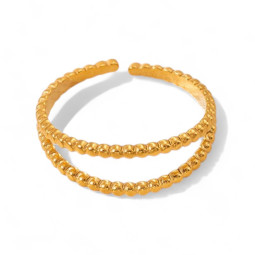
Gold Double Twisted Wire Ring 11324925-2
Slim open gold-tone stainless steel ring made of two parallel twisted bands, set slightly apart.
Price €2.52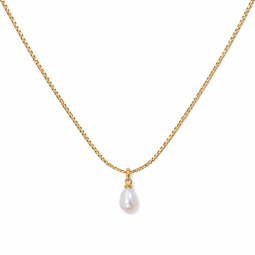
Gold-tone necklace with a pearlescent drop pendant 50980723
A small white pearlescent-look drop finishes this fine gold-tone stainless steel necklace with a lobster clasp and extension chain.
Price €4.68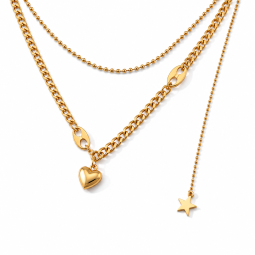

Gold-tone double-layer heart and star necklace 52305252
Two gold-tone chains, a smooth heart and a hanging star create this double-layer stainless steel necklace.
Price €5.28
Leave a comment