
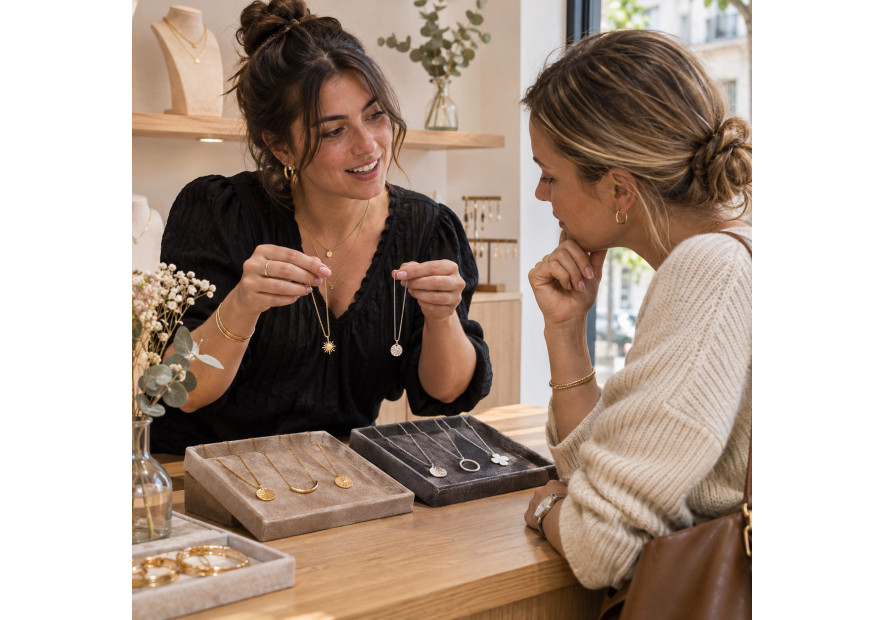
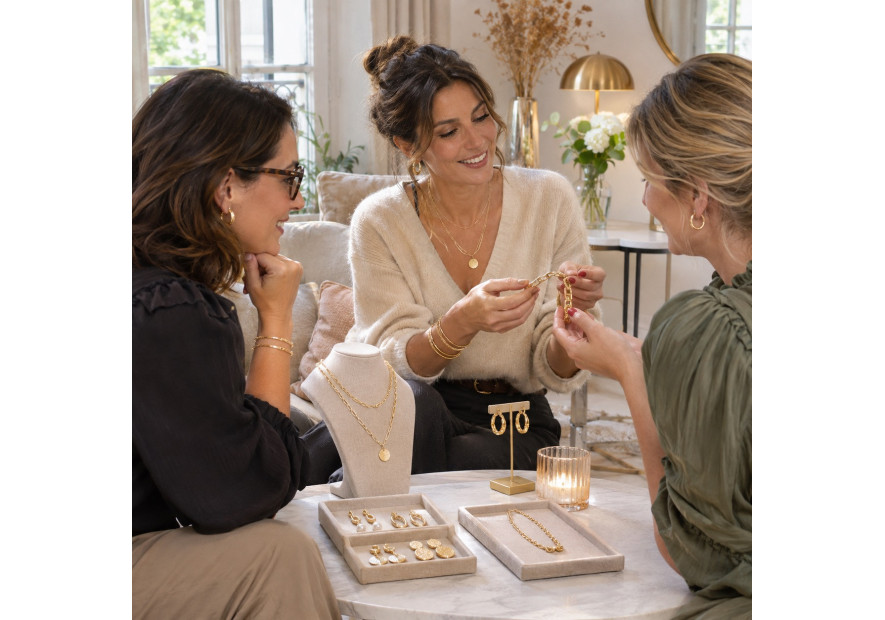
What jewellery should you wear to work? Our tips for staying elegant at the office
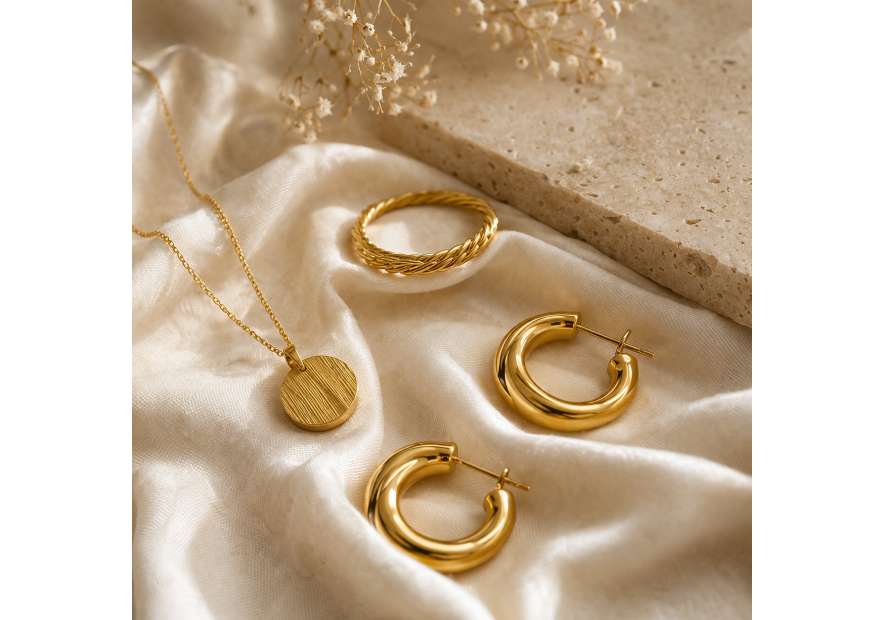
At work, jewellery can elevate an outfit, reinforce a polished image and add a touch of personality, as long as it is chosen carefully. Between discretion, elegance and comfort, some styles are more suitable than others for a professional setting. Here are all our tips for wearing the right jewellery at the office without overdoing it.
Choosing jewellery for work may seem simple at first. Yet between personal style, the company dress code, everyday comfort and the image you want to project, your selection deserves a little thought. Jewellery is a true style detail. It can brighten the face, enhance a simple outfit, add femininity or simply give more character to a professional look. But at the office, everything is about balance.
Wearing jewellery to work does not mean choosing dull pieces with no personality. On the contrary, it is entirely possible to remain elegant, modern and stylish while respecting a professional environment. The idea is not to fade into the background, but to choose jewellery suited to the context. Some pieces quickly become perfect everyday allies: they are discreet, comfortable, easy to match and refined enough to accompany both an important meeting and a more relaxed day.
The ideal piece of jewellery for work is the one that completes an outfit without dominating it. It draws the eye without distracting attention. It adds presence without creating an impression of excess. This perfect balance is what makes all the difference.
Why choose your office jewellery carefully?
In a professional setting, appearance plays an important role. Without being the absolute priority, it contributes to first impressions and overall perception. A well-groomed, well-accessorised outfit often inspires more seriousness, discipline and confidence. Jewellery, even when subtle, contributes to this overall impression.
At work, jewellery often helps structure a style. A classic white shirt, a well-cut blazer or a simple dress can instantly gain elegance with a pair of delicate earrings, a discreet necklace or a fine ring. That is exactly what makes jewellery so interesting: it has the power to transform a simple outfit into a more polished silhouette.
But practicality must also be considered. A working day can be long. You move around, type on a keyboard, make phone calls, welcome clients, sometimes handle objects or attend several meetings in a row. The jewellery you wear must therefore be comfortable and never become a nuisance. A piece that is too heavy, too noisy or too imposing can quickly become uncomfortable, or even unsuitable.
The criteria to prioritise when choosing work jewellery
Before talking about specific styles, it is useful to understand what makes a piece of jewellery suitable for the professional world.
The first criterion is discretion. This does not mean wearing invisible jewellery, but rather avoiding pieces that are too extravagant in a formal setting. Fine, balanced and well-proportioned jewellery is generally the easiest to wear at the office.
The second criterion is comfort. A bracelet that knocks against the desk, long earrings that catch in the hair or a bulky ring that gets in the way can become very annoying day after day. Work jewellery should be easy to forget once worn.
The third criterion is consistency with the outfit. Jewellery should harmonise with the clothes worn, but also with the overall style of the professional environment. In a very formal company, sober and refined pieces are best. In a more creative or relaxed setting, you can allow yourself more originality.
Finally, the quality of the jewellery matters a great deal. A few well-chosen pieces are better than many unflattering accessories. Elegant, durable and well-finished jewellery immediately gives a more polished impression.
The ideal earrings for work
Earrings are often the easiest jewellery to wear at the office. They brighten the face, remain visible even with a simple outfit and allow you to emphasise your style effortlessly.
Stud earrings are an excellent choice. Timeless, discreet and elegant, they suit almost every professional environment. They are easy to wear with a shirt, a fine jumper, a suit or a dress. Minimalist designs are particularly appreciated for their simplicity.
Small, fine hoops also work very well. They add a little more character than classic studs while remaining refined. It is best to choose a reasonable diameter to maintain a professional look.
Drop earrings can be worn, but in moderation. At work, it is better to avoid very long, overly shiny or overly sophisticated designs. However, a delicate, light and well-designed drop earring remains perfectly suitable.
What necklace should you wear at the office?
A necklace can be a real asset in a professional outfit, especially with simple tops or clean necklines. It discreetly draws the eye and adds a very elegant feminine touch.
Fine chains are the easiest to adopt. They can be worn alone for a delicate result, or with a small discreet pendant to add a little more personality. This type of necklace fits perfectly into an office outfit without looking excessive.
Short necklaces are often preferable to very long styles. They look neater, are easier to balance with a shirt, a round neckline or a close-fitting jumper. A necklace that is too imposing or too eye-catching can disrupt the professional effect of an outfit.
Layering necklaces can work, provided it remains light. Two well-matched fine chains can be enough to add style without overloading the look. At work, subtlety is always more elegant than excessive accumulation.
Bracelets to favour in a professional setting
Bracelets can add a real touch of finesse, but they require a little more attention. Some are very beautiful, but not always practical at the office.
Fine bangles, chain bracelets and very light designs are the most suitable. They remain elegant while being easy to wear every day. They should not make too much noise or restrict wrist movement, especially if you work a lot on a computer.
On the other hand, wearing too many bracelets or large cuffs is often less suitable for a classic professional environment. They can appear dressier, more noticeable, or even too present in a work context.
One well-chosen bracelet is more than enough to enhance an outfit. In most cases, simplicity is far more chic.
What rings should you wear to work?
Rings are particularly interesting at the office because they are visible without being too demonstrative. They allow you to structure a style with great subtlety.
Fine rings are ideal for everyday wear. They can be worn alone for a very clean look, or slightly stacked if the company style allows it. They remain elegant, feminine and modern.
A more distinctive ring can also work, provided it remains comfortable and refined. The main thing is to avoid styles that are too bulky, too shiny or impractical. At work, you must be able to write, handle documents, type on a keyboard or shake hands without being bothered.
The most important rule is simple: the ring should accompany the gesture, not disturb it.
Should you adapt your jewellery to your profession?
Yes, clearly. Not all professional environments are the same, and it is essential to adapt your jewellery to the reality of your activity.
In classic office jobs, the possibilities are fairly broad. You can wear discreet earrings, a fine necklace, one or two rings, or even a light bracelet. The important thing is to maintain a harmonious and professional appearance.
In customer-facing roles, jewellery contributes to the image you project. It should therefore be polished, elegant and consistent with the company’s positioning. Refined jewellery often reinforces an image of seriousness and good taste.
In manual, medical, technical or highly mobile professions, comfort and safety come first. It is often preferable to limit jewellery to a few discreet pieces, or even to wear only the essentials. Jewellery should never represent a risk or a constraint.
In creative environments, freedom is generally greater. You can play more with shapes, volumes and combinations. Even then, it remains useful to keep a certain level of control in order to maintain a credible and professional appearance.
What jewellery should you wear depending on your work outfit?
Jewellery should also be chosen according to clothing. A successful professional outfit often relies on a good balance between cuts, materials and accessories.
With a white shirt, a fine necklace or a pair of small earrings is often enough to create an elegant result. Since the shirt already has structure, there is no need to overdo it.
With a blazer or suit jacket, earrings and rings work particularly well. They add finesse without weighing down the silhouette.
With a fine jumper or round neckline, the necklace becomes more visible and can truly enhance the outfit. A delicate chain with a discreet pendant is often an excellent choice.
With a simple dress, you can play a little more with jewellery, provided you remain consistent. A simple dress sometimes allows you to dare to wear a slightly more assertive pair of earrings or a particularly elegant necklace-and-ring combination.
The most suitable materials and finishes
The choice of material greatly influences the final result. For work, clean, luminous and elegant finishes are generally preferred.
Stainless steel is an excellent option for everyday wear. It is resistant, durable, easy to care for and keeps its beautiful appearance over time. It is a particularly interesting choice for those who want to wear their jewellery every day without constraint.
Gold finishes bring a warm and sophisticated touch. They work very well with neutral, beige, cream, black or brown outfits.
Silver finishes create a cleaner, more modern and often more discreet look. They pair easily with minimalist professional outfits.
The essential thing is to maintain a certain consistency. It is better to choose a clear visual universe and embrace a harmonious style than to multiply contrasts without logic.
Mistakes to avoid with jewellery at work
Certain mistakes often come up when choosing jewellery for the office. The first is wearing too much. Combining statement earrings, an eye-catching necklace, several bracelets and large rings often creates an overloaded result. Even with beautiful pieces, the effect can quickly become less elegant.
The second mistake is neglecting comfort. A very beautiful but uncomfortable piece of jewellery will never be a good option for work. You need to think about the reality of the day, not only the effect in front of the mirror.
The third mistake is failing to consider the professional context. What works for an evening, dinner or event is not necessarily suitable for a working day. The setting should always guide the final choice.
Finally, avoid jewellery that is damaged, tarnished or visually poor in quality. At the office, details matter enormously. Well-maintained jewellery immediately enhances an outfit.
How to create the perfect jewellery selection for the office
The ideal approach is to build a small selection of easy-to-wear jewellery that can be matched without hesitation. There is no need to own an excessive number of styles. A few well-chosen pieces are more than enough.
For example, you can include a pair of timeless studs, a pair of small fine hoops, a discreet necklace, an elegant ring and a light bracelet. With this foundation, it becomes very easy to vary combinations according to the day, the outfit and the meetings.
This approach saves time in the morning while maintaining a polished style. It also avoids fashion mistakes, because all the pieces have been chosen to work in a professional setting.
Wearing jewellery at work: the right approach
Ultimately, the real question is not only what jewellery to wear to work, but how to wear it with balance. The best jewellery for the office is jewellery that enhances the person without ever taking over their professional image. It reflects control, taste and attention to detail.
You do not need to do much to be elegant. One well-chosen pair of earrings, a fine ring or a discreet necklace can be enough to completely transform an outfit. The secret lies in consistency, quality and simplicity.
At work, jewellery should naturally accompany the day. It should give confidence, complete the style and reflect personality with subtlety. It is precisely in this controlled discretion that true elegance lies.
Conclusion
Knowing what jewellery to wear to work allows you to create outfits that are elegant, professional and comfortable. Well-chosen jewellery is a precious everyday ally. It adds a touch of style, reveals personality and reinforces a polished appearance without ever falling into excess.
To create successful combinations, it is best to favour discreet, comfortable and easy-to-wear pieces: small earrings, a fine necklace, delicate rings and a light bracelet. The goal is not to attract every gaze, but to create a harmonious, coherent and refined ensemble.
At the office, true elegance often comes through well-thought-out details. And jewellery, when chosen with taste, makes all the difference.
Looking to add to your collection? Discover our stainless steel bracelets, necklaces, rings and earrings.
Read also: Gold or silver jewellery: how to choose according to your style ?
Frequently asked questions
What jewelry should you wear to a job interview?
Keep it understated: small earrings, a fine necklace and a discreet bracelet. The aim is to look polished without drawing attention away from you.
How much jewelry should you wear at the office?
A simple rule: three to four pieces at most, with only one standout piece. For example, a statement necklace with discreet stud earrings.
Is stainless steel jewelry suitable for work?
Yes: it stays elegant, stands up well to daily wear and needs little care, which makes it a practical base for the office.
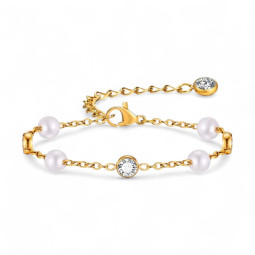
Gold Pearl and Crystal Bracelet 11133388-6
Gold-tone stainless steel chain bracelet alternating white pearls and round bezel-set rhinestones. Refined.
Price €9.24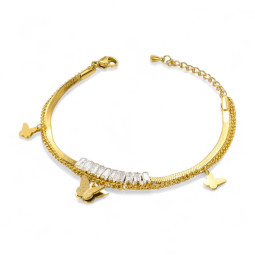
Double Row Butterfly Bracelet 11254918-9
Double-row bracelet in gold-tone stainless steel: snake chain, fine chain, rhinestone bar and butterfly charms.
Price €13.40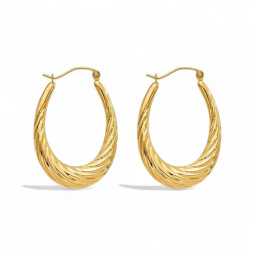
Gold Twisted Oval Hoop Earrings 10969603-11
Oval gold-tone stainless steel hoops with a spiral twisted relief. An elongated shape full of reflections.
Price €3.00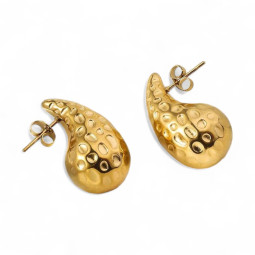
Gold Dotted Teardrop Earrings 10969603-51
Gold-tone stainless steel earrings shaped like a rounded teardrop, sprinkled with small punched dots. A discreet, luminous sparkle.
Price €8.28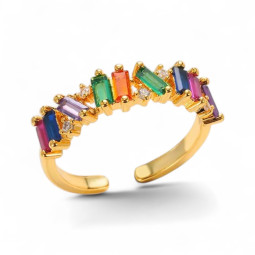
Gold Rainbow Baguettes Ring 11354933-10
Slim open gold-tone stainless steel ring set with a row of multicoloured rectangular rhinestones arranged in a slight zigzag.
Price €7.44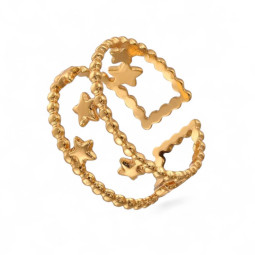

Gold Double Row Stars Ring 11358143-1
Open gold-tone stainless steel ring with two crossing rows of beaded wire, decorated with small cut-out stars.
Price €2.52
Leave a comment