
Stainless steel or sterling silver 925: what is the difference?
Stainless steel, sterling silver 925 and a silver-coloured finish mean different things. Understand the composition, care and practical details that matter when choosing jewellery.
Silver-coloured jewellery may be made from stainless steel, sterling silver 925 or another material. Colour alone cannot identify its composition. To compare stainless steel with sterling silver, look at the stated material, finish, construction and care instructions rather than expecting one universally better choice.
Do you wear the same earrings every day, enjoy changing rings or want a meaningful gift? Your priorities will differ. This guide explains the useful distinctions, common assumptions to avoid and some stainless steel examples. Above all, a silver-coloured appearance is not a promise of sterling silver content.
Stainless steel and silver 925: different compositions
Stainless steel is an iron-based alloy
Stainless steel contains iron and chromium, among other elements. Chromium helps form a very thin protective surface layer, known as the passive film, which contributes to corrosion resistance under suitable conditions. Different families and grades of stainless steel have different properties, and the environment also matters.
“Stainless” does not mean that damage or corrosion is impossible. Surface condition, manufacturing, contact with certain substances and maintenance matter too. A description stating only “stainless steel” does not establish a particular grade, a nickel-free composition or a specific finishing process.
Silver 925 contains 92.5% silver
The number 925 means 925 parts per thousand, or 92.5% silver. The remaining 7.5% consists of other metals, often copper. Also called sterling silver, this alloy differs from stainless steel. Its fineness does not, by itself, tell you the weight, clasp quality or overall strength of a piece.
Look for a clear material description and information from the seller. A shiny photograph, a colour name or resemblance to another piece is not evidence of composition. Ask for missing details before buying rather than inferring them from the price or style.
Silver-coloured, gold-coloured and sterling silver are different terms
“Silver-coloured” and “gold-coloured” may describe appearance. Silver-coloured steel is not automatically sterling silver, and gold-coloured steel is not solid gold. Depending on the product, colour may involve a finish that needs to be specified. Do not assume plating, PVD or a particular coating thickness.
Keep three questions separate: what is the base material, what colour does it have, and what decorative components are included? This also helps when comparing gifts. For appearance independently of metal content, see our guide to choosing gold-coloured or silver-coloured jewellery for your style.
A practical comparison table
The table summarises general differences. It cannot replace the description of a particular design: a fine chain, a wide ring and decorated earrings face different demands. Follow the manufacturer's instructions for use, cleaning and any contact with water.
| Criterion | Stainless steel | Sterling silver 925 |
|---|---|---|
| Composition | Iron-based alloy containing chromium | Alloy containing 92.5% silver |
| Colour | Can be silver-coloured or have a coloured finish | Appearance also depends on treatments and finishes |
| Changes over time | Corrosion resistance depends on grade and conditions | Can tarnish through contact with sulphur compounds |
| Scratches | Possible; surface and use matter | Possible; construction and use matter |
| Care | Adapt to finish and all components | Adapt to tarnish, finish and all components |
| Choosing | Compare the complete piece and its description | Check stated composition and the complete piece |
What changes in everyday wear?
Tarnish and dirt are different issues
Silver can tarnish when it reacts with sulphur compounds in its surroundings. A surface layer of silver sulphide forms and may gradually darken the metal. This does not automatically mean a piece is fake or unusable. Identify its material and finish before deciding how to treat it.
A mark on stainless steel may also be cosmetic residue or dirt. Do not automatically apply silver cleaner to another metal, pearls, rhinestones or delicate decorations. If the cause is uncertain, advice suited to that particular piece is preferable to vigorous cleaning.
Scratches, impacts and construction
Neither material name guarantees scratch-proof jewellery. Contact with other pieces, hard surfaces and repeated movements can affect appearance. Thickness, design, joints and finish also influence performance. Comparing two very different rings solely by their metal leaves out much of the picture.
Consider the contact a ring will encounter during manual activities. For earrings, check the stated weight and fastening. A delicate chain needs care whatever its metal. Any repair should be assessed on the actual piece by a professional, without assuming that every design can be repaired.
Comfort is about more than metal
Earrings can be the right size yet feel too heavy; a ring can look appealing but feel tight at certain times. Shape, dimensions and adjustment matter. When exploring earrings, compare these details rather than expecting every piece made from the same material to feel identical.
Neither “stainless steel” nor “sterling silver” guarantees suitability for every skin. If you have a known metal sensitivity, ask about the exact composition of all skin-contact components. A healthcare professional can advise when needed. Colour and price cannot establish individual tolerance.
Which jewellery suits your priorities?
Building a varied jewellery selection
Start with how you want to wear it: discreet weekday jewellery, a stronger statement for evenings or mixed colour combinations. Stainless steel comes in many designs, but assess each individual description. Liking a material does not mean that every finish, size or shape will suit you.
For rings, consider space on the finger and ease of removal. “Adjustable” does not mean a universal fit or that repeated bending is advisable. When buying a gift, the recipient's habits and accurate product information are more useful than a rule claiming that one metal is always best.
Choosing a specific composition within your budget
If you specifically want silver jewellery, look for an explicit sterling silver 925 description. Silver-coloured steel may have the appearance you like, but it does not fulfil that material requirement. Equally, you may choose a steel piece for its design without needing it to imitate a precious metal.
Compare prices for genuinely comparable pieces. Dimensions, construction, finish, decoration and service all affect the price. Material alone does not establish universal value for money. Set a budget for your intended use, then check the actual description instead of treating a higher price as proof of composition or durability.
Caring for stainless steel and sterling silver
Clean with the whole piece in mind
Begin with the seller's instructions and a clean, soft, non-abrasive cloth suitable for the surface. Before wet cleaning or using any specialist product, check compatibility with the whole piece. A pearl, adhesive, decoration, setting or finish may require more caution than the base metal.
Treatment for tarnished silver depends on the piece. Do not transfer a method for an entirely metal object to jewellery containing other materials. Abrasive cleaning and improvised chemical recipes can damage surfaces. Our stainless steel jewellery care guide provides further general advice, to be adapted to each product description.
Store separately and avoid unnecessary exposure
Store jewellery dry and separated to reduce rubbing in crowded boxes or pockets. Apply perfume and cosmetics first, allowing them to dry before putting jewellery on. The metal name alone does not authorise showering or swimming: consider the water, products used and every decorative component together.
Six stainless steel examples: reading product descriptions accurately
All the following Saze Diffusion pieces are described as stainless steel. They illustrate different colours, shapes and decorative components; they are not a sterling silver selection. Availability and information may change. Read the current description and do not infer extra material claims from a photograph.
Silver-coloured fluted hoop earrings 11597324-2
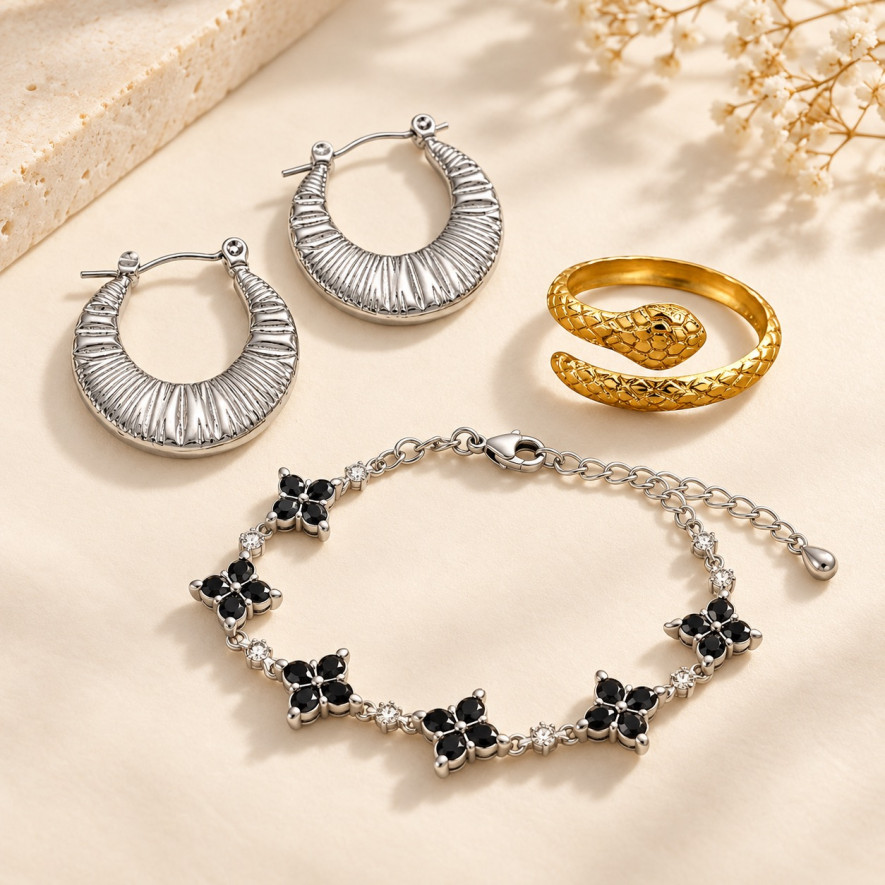
The silver-coloured fluted hoops 11597324-2 combine a broad hoop with a textured surface. Their colour illustrates the distinction between appearance and material: the stated metal is stainless steel. The relief catches light and adds presence to a simple outfit. Compare dimensions and fastening when choosing between hoop designs.
Gold-coloured pearl studs 11137538-2
The gold-coloured pearl studs 11137538-2 feature a round white pearl and a gold-coloured stainless steel post. A decorative pearl reminds us that jewellery is more than its metal support. Its exact nature is not specified here, so do not assume a natural origin. Follow the care recommendations for the complete design.
Gold-coloured coiled snake ring 11335313-1
The gold-coloured coiled snake ring 11335313-1 has an open design and scale details. It is described as adjustable, gold-coloured stainless steel. These terms describe material, colour and adjustment, without promising solid gold or universal sizing. The motif can be a focal point alongside simpler jewellery.
Double twisted-wire ring 11324925-2
The double twisted-wire ring 11324925-2 uses two gold-coloured twisted lines to create texture. Its description states stainless steel and adjustable sizing. It offers a different silhouette within the same material family, with a different volume from the snake design. Check fit and adjust gently without unnecessary force.
Silver-coloured black flower bracelet 55183396
The silver-coloured bracelet with black flowers and clear rhinestones 55183396 combines stainless steel with several decorative elements. Black flowers and bright accents define the design around the wrist. Care must account for the entire bracelet, including the decorations and attachments: handle gently and store separately.
Gold-coloured pearly-look drop pendant necklace 50980723
The gold-coloured drop pendant necklace 50980723 combines a fine gold-coloured stainless steel chain with a white, pearly-looking drop. That wording describes appearance; it does not certify natural mother-of-pearl. It shows why identifying the metal, finish and pendant separately helps you choose appropriate care.
Frequently asked questions
Is silver-coloured jewellery always sterling silver?
No. “Silver-coloured” can describe colour, while “silver 925” specifies the silver proportion of an alloy. Check the material details and ask if they are unclear. Two visually similar pieces may have different compositions that cannot be distinguished from their photographs.
Can sterling silver 925 turn dark?
Yes. Silver can tarnish, particularly through contact with sulphur compounds. Darkening alone does not prove a piece is not silver. Before using a cleaner, check the finishes and other components: a treatment appropriate for one piece may be unsuitable for another.
Does stainless steel need no care?
It still needs attention. Marks, deposits and friction can alter its appearance. Follow the design's instructions and protect decorative elements. The resistance of the base metal does not guarantee that colour, joints and ornaments will withstand every situation.
Can you keep these pieces on in the shower?
Do not decide from material alone. Finishes, decorations, attachments and shower products affect the precautions needed. Without explicit guidance for that particular design, remove it before prolonged water exposure and store it dry after wearing.
Which makes the better gift?
Choose according to the recipient's taste, desired composition and habits. If they want sterling silver, select a piece expressly described as such. If they prefer a particular steel design, check dimensions, fastening and care instead. Accurate information makes choosing a gift easier.
Five checks before choosing
These materials do not need to be rivals: they serve different preferences, and the particular design remains decisive. Read the essential details before ordering. A clear description helps you match jewellery to your use, care for it appropriately and explain its composition when giving it as a gift.
- Is the material clearly stated separately from the colour?
- Are the finish and decorative components described?
- Do dimensions, adjustment and fastening suit the wearer?
- Do care instructions cover the whole piece?
- Do price and style meet your actual needs?
Reference sources: Outokumpu, corrosion resistance, The Royal Mint, metal fineness, Canadian Conservation Institute, silver tarnish and care of silver. Product examples are based on Saze Diffusion descriptions checked during preparation.
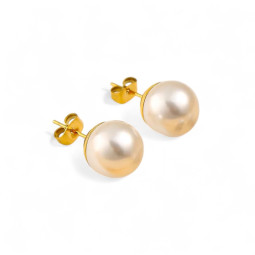
Gold Pearl Stud Earrings 11137538-2
Gold-tone stainless steel stud earrings set with a large round white pearl. Timeless, elegant and easy to wear.
Price €1.68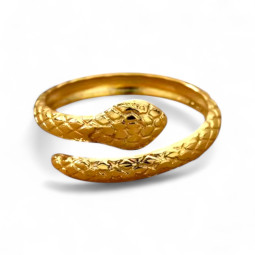
Gold Coiled Snake Ring 11335313-1
Open gold-tone stainless steel ring shaped like a snake coiling around the finger, with a scale-textured body and a finely detailed head.
Price €1.92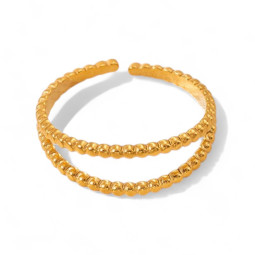
Gold Double Twisted Wire Ring 11324925-2
Slim open gold-tone stainless steel ring made of two parallel twisted bands, set slightly apart.
Price €2.52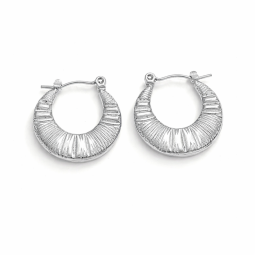
Silver Wide Fluted Hoop Earrings 11597324-2
Wide hoops in silver-tone stainless steel carved with irregular vertical flutes. Textured, sculptural and easy to wear.
Price €1.80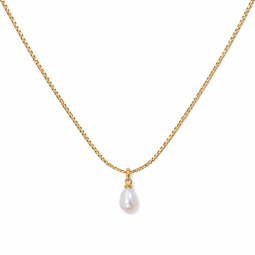
Gold-tone necklace with a pearlescent drop pendant 50980723
A small white pearlescent-look drop finishes this fine gold-tone stainless steel necklace with a lobster clasp and extension chain.
Price €4.68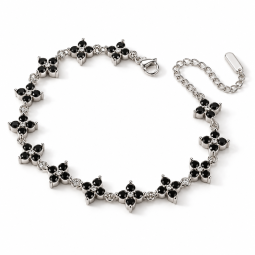

Silver-tone bracelet with black flowers and light rhinestones...
Silver-tone stainless steel bracelet combining black four-petal flowers with small sparkling light details between and within the motifs.
Price €8.28
Leave a comment