

Can You Keep Your Jewelry on in Water ? What You Really Need to Know
Keeping your jewelry on in water may seem harmless, but it all depends on the material, the finish, and the type of water. Showering, swimming pools, the sea, washing your hands: here is what you really need to know to avoid wear, oxidation, or loss of shine.
Jewelry is part of everyday life. We put it on in the morning, sometimes forget about it throughout the day, and often keep it on while washing our hands, taking a shower, or even going to the beach. Yet one question comes up again and again: can you really keep your jewelry on in water without damaging it?
The answer seems simple at first, but in reality it is more nuanced: it mainly depends on the material of the piece, its finish, the possible presence of stones, and the type of water it is exposed to. Clear water, soapy water, chlorinated pool water, and salty seawater do not have the same effect at all.
Some materials withstand moisture and daily use very well. Others, on the contrary, deteriorate quickly with repeated contact with water. And even when a piece of jewelry seems to “hold up,” that does not mean it is not gradually wearing down. Loss of shine, tarnishing, weakened soldering, loosening of certain stones, or wear of the plating: the consequences are not always immediate, but they do exist.
In this article, we will look at which jewelry can withstand water, which pieces are better removed, the most common mistakes to avoid, and above all the right habits to adopt to keep your jewelry beautiful for longer.
Water Does Not Damage All Jewelry in the Same Way
When we talk about jewelry “in water,” it is important to understand that there is not just one situation, but several. Quickly washing your hands while wearing a ring does not have the same impact as wearing a necklace in the shower every day. In the same way, a bracelet worn at the beach is not exposed to the same conditions as a pair of earrings worn at the swimming pool.
Water itself is not always the main problem. More often, it is what the water contains or what comes with it that causes issues: soap, shampoo, limescale, chlorine, salt, stagnant moisture, sweat, friction, cosmetics, or temperature changes.
A piece of jewelry may therefore seem to withstand water for a while, then start showing signs of wear after several weeks or months. This is exactly why it is important to distinguish truly resistant materials from those that require more care.
Stainless Steel Jewelry: The Best Choice for Everyday Contact with Water
If there is one category of jewelry especially appreciated for its durability when exposed to water, it is stainless steel. This material is known for its resistance to oxidation, moisture, and daily wear. In general, stainless steel jewelry handles hand washing, splashes, and even occasional contact with water very well.
This is actually one of the reasons why it is so popular. It is designed for practical everyday use, without requiring constant caution. A stainless steel ring, for example, will be much less sensitive to moisture than a classic fashion jewelry piece or a medium-quality plated item.
That said, it is important to be honest: water-resistant does not mean invulnerable. A stainless steel piece will keep its appearance better than many other materials, but it can still lose some of its shine if it is constantly exposed to soap, limescale, chlorine, or salt. The issue does not necessarily come from the metal itself, but from residue building up on the surface.
In short, yes, stainless steel is one of the best choices for those who want to wear their jewelry more easily every day, including in situations where water is present. But that does not remove the need for basic care.
Can You Keep Your Jewelry on in the Shower?
This is probably the most common situation. You come home, take a quick shower, and sometimes forget to remove your jewelry. Is it serious? Not always. But it is not an ideal habit.
In the shower, jewelry is not only in contact with water. It is also exposed to soap, shower gel, shampoo, conditioner, and sometimes richer skincare products. All these products leave deposits on the metal and on any stones. As a result, the jewelry may lose its shine, become duller, or collect dirt in the smallest details.
Stainless steel jewelry can generally withstand an occasional shower without major difficulty. However, plated jewelry, fashion jewelry, or glued pieces are much more vulnerable. With repeated exposure, the plating may wear more quickly, certain finishes may tarnish, and decorative elements may become weaker.
Even for a solid piece of jewelry, keeping this habit is therefore not recommended. Ideally, jewelry should be removed before showering, not because it will deteriorate immediately, but because avoiding repeated exposure clearly extends its lifespan.
Seawater and Swimming Pools: The Two Riskiest Situations
If there were one simple rule to remember, it would be this: the sea and swimming pools are much more aggressive for jewelry than everyday water.
Seawater contains salt, and salt leaves deposits that can affect the shine of jewelry, irritate certain finishes, and accelerate visible wear. Even materials known for being resistant can suffer from repeated exposure if they are not rinsed quickly after swimming.
Swimming pools, on the other hand, generally contain chlorine. Chlorine is particularly feared when it comes to jewelry. It can tarnish certain metals, alter surface treatments, and gradually weaken pieces that may have seemed to be in good condition.
In both cases, the risk is not only about the appearance of the jewelry. There is also a practical risk: losing a piece in the water. A ring can slip off because of cold or moisture. A clasp may open more easily. A chain can get caught or break.
Even with stainless steel jewelry, it is still preferable to remove your pieces before swimming in the sea or pool. This simple habit helps prevent both premature wear and unpleasant surprises.
Not All Jewelry Reacts to Water in the Same Way
When wondering whether you can keep your jewelry on in water, you also need to consider the exact type of jewelry.
A fine chain, for example, can retain residue in its links. Earrings decorated with small stones can collect soap or shampoo in their settings. A ring with multiple decorative details may become harder to clean properly. A bracelet with a clasp may, over time, see its mechanism become clogged if it is often wet and not dried correctly.
Jewelry with pearls, mother-of-pearl, rhinestones, glue, or fragile stones requires even more caution. Some natural stones do not tolerate chemicals, prolonged moisture, or temperature changes well. As for glued elements, they may eventually come loose if exposure to water becomes too frequent.
In other words, it is not only the metal that matters, but also the construction of the piece. A simple, well-made piece in a resistant material will handle everyday life better than a more complex or delicate design.
The Common Mistake: Thinking That Jewelry That “Doesn’t Rust” Has Nothing to Fear
Many people think that jewelry that does not rust can stay in water without any precautions. It is an understandable idea, but an incomplete one.
A piece of jewelry may not rust and still become damaged in other ways. It may become dull, develop a film, accumulate residue, lose its brightness, or have some decorative parts deteriorate. It may also suffer from tiny wear marks that are invisible at first, then become more noticeable over time.
The goal is therefore not only to avoid rust. It is also to preserve the appearance, shine, and overall durability of the jewelry over time.
That is why even resistant jewelry benefits from being removed in certain situations. A good piece can last a long time, but it will last even longer if unnecessary exposure is avoided.
Can You Keep Your Jewelry on While Washing Your Hands?
In real life, people do not necessarily remove their rings every time they wash their hands. And in most cases, especially with stainless steel jewelry, this does not cause a major problem if it remains part of normal daily use and the jewelry is dried properly afterwards.
However, if you wash your hands very frequently, use harsh soap, large amounts of hand sanitizer, or disinfectant products, repeated exposure can eventually leave marks on certain pieces, especially plated or fashion jewelry.
The right habit is simple: after washing, quickly dry your jewelry with a soft towel, especially rings. This limits limescale deposits, stagnant moisture, and loss of shine.
What About Sport, Sweat, and Moisture?
We often think of visible water, but moisture also comes from sweat. During sport, in summer, or on very hot days, jewelry is exposed to a humid environment that can sometimes last for a long time. Added to this are friction, movement, and sometimes cosmetics applied to the skin.
Here again, stainless steel jewelry generally performs better than others. It withstands regular use quite well. But to preserve its appearance, it is best to clean it from time to time and dry it when it has been exposed to moisture.
Sport can also create issues of comfort and safety. Some chains may get in the way, rings may cause irritation, and bracelets may catch on something. Even if the material is resistant, removing your jewelry during physical activity is often a good idea.
The Right Habits to Help Your Jewelry Last Longer
The best way to keep your jewelry beautiful is not necessarily to forbid everything, but to adopt a few simple habits.
First, it is recommended to remove your jewelry before showering, swimming, going to the beach, and applying cosmetic products. Then, when a piece of jewelry has been wet, it is better to dry it quickly with a soft cloth rather than letting it dry on the skin or in a humid room.
It is also useful to clean your jewelry from time to time. Gentle cleaning helps remove soap, cream, sweat, or limescale residue that gradually dulls its appearance. There is no need for aggressive products: a clean cloth and regular care are often enough to maintain a beautiful shine.
Finally, storage also matters. Jewelry left in a humid bathroom will generally age less well than jewelry stored in a dry place, protected from air and friction.
So, Should You Remove Your Jewelry Whenever There Is Water?
Not necessarily in every case, but when in doubt, prevention is better than cure.
For a quality stainless steel piece, occasional contact with everyday water is generally not a disaster. Washing your hands, getting caught in the rain, or receiving a few splashes should not cause any major issue. However, for daily showers, the sea, swimming pools, or repeated exposure to products, it is better to remove it.
For plated jewelry, fashion jewelry, glued pieces, pearls, or fragile stones, even more caution is needed. The more delicate the jewelry, the more water should be avoided.
The real answer is therefore this: yes, some jewelry can withstand water, but that does not mean it is advisable to keep it in water all the time. The resistance of a piece of jewelry should never be confused with a complete absence of risk.
What You Really Need to Remember
Keeping your jewelry on in water is not always disastrous, but it is never completely harmless. Everything depends on the material, the finish, the type of jewelry, and how often it is exposed.
Stainless steel jewelry is clearly one of the best everyday allies. It offers good resistance to moisture and is well suited to regular use. But even stainless steel deserves a few precautions to keep its shine over time.
On the other hand, plated jewelry, fashion jewelry, or pieces decorated with fragile elements should be protected more carefully. The shower, swimming pool, and sea are the riskiest situations. As for simple habits such as drying your jewelry after contact with water or removing it before certain activities, they make a real difference in the long run.
In short, well-maintained jewelry always lasts longer than jewelry that is simply “resistant.” And when you want to keep your jewelry beautiful, shiny, and pleasant to wear day after day, a few good habits are far better than premature repair or replacement.
Looking to add to your collection? Discover our stainless steel bracelets, necklaces, rings and earrings.
Read also: Caring for your stainless steel jewelry: the complete guide
Frequently asked questions
Can you go swimming with stainless steel jewelry?
It is best to take it off: chlorine can dull steel and damage gold-tone finishes. If you keep it on, rinse it in clean water and dry it straight away.
Does sea water damage stainless steel?
Salt can leave deposits and dull the piece over time. After swimming, rinse it in fresh water and dry it with a soft cloth.
Should you take your jewelry off to sleep?
It is not essential for stainless steel, but it is advisable for fine necklaces and charm bracelets, which can catch or bend during the night.
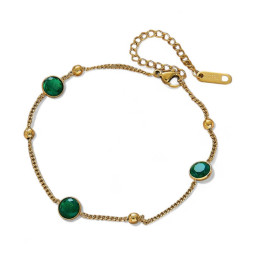
Curb Chain Green Cabochon Bracelet 11060547
Fine gold-tone stainless steel curb chain bracelet set with round faceted green cabochons and small beads. Bright and elegant.
Price €3.54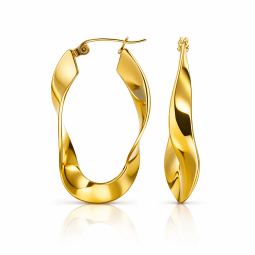
Gold Twisted Ribbon Oval Hoop Earrings 11649120-2
Large oval hoops in gold-tone stainless steel with a flat twisted band that ripples and catches the light. Elegant, fluid and bright.
Price €5.28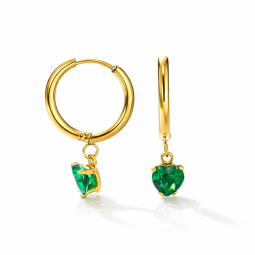
Gold Green Heart Hoop Earrings 11354337-5
Small gold-tone stainless steel hoops with a swinging deep green rhinestone heart. Sparkling, romantic and colourful.
Price €2.60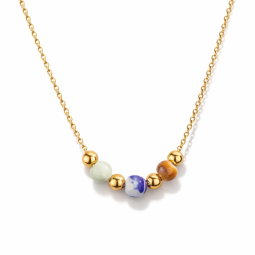
Gold-tone necklace with three coloured beads and small balls...
Three round beads in pale green, blue and orange alternate with small gold-tone balls on this fine stainless steel necklace, with extension.
Price €3.30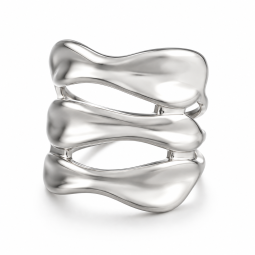
Silver Stacked Waves Ring 43749335
Wide open silver-tone stainless steel ring made of three stacked wavy bands with domed, polished surfaces.
Price €1.80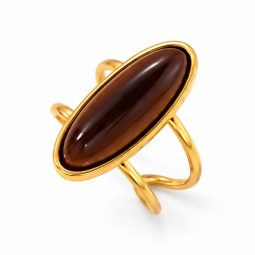

Gold Long Oval Brown Cabochon Ring 52232168
Open gold-tone stainless steel ring with a crossed double wire, topped with a long oval brown cabochon with golden glints, set lengthwise along the finger.
Price €2.64
Leave a comment